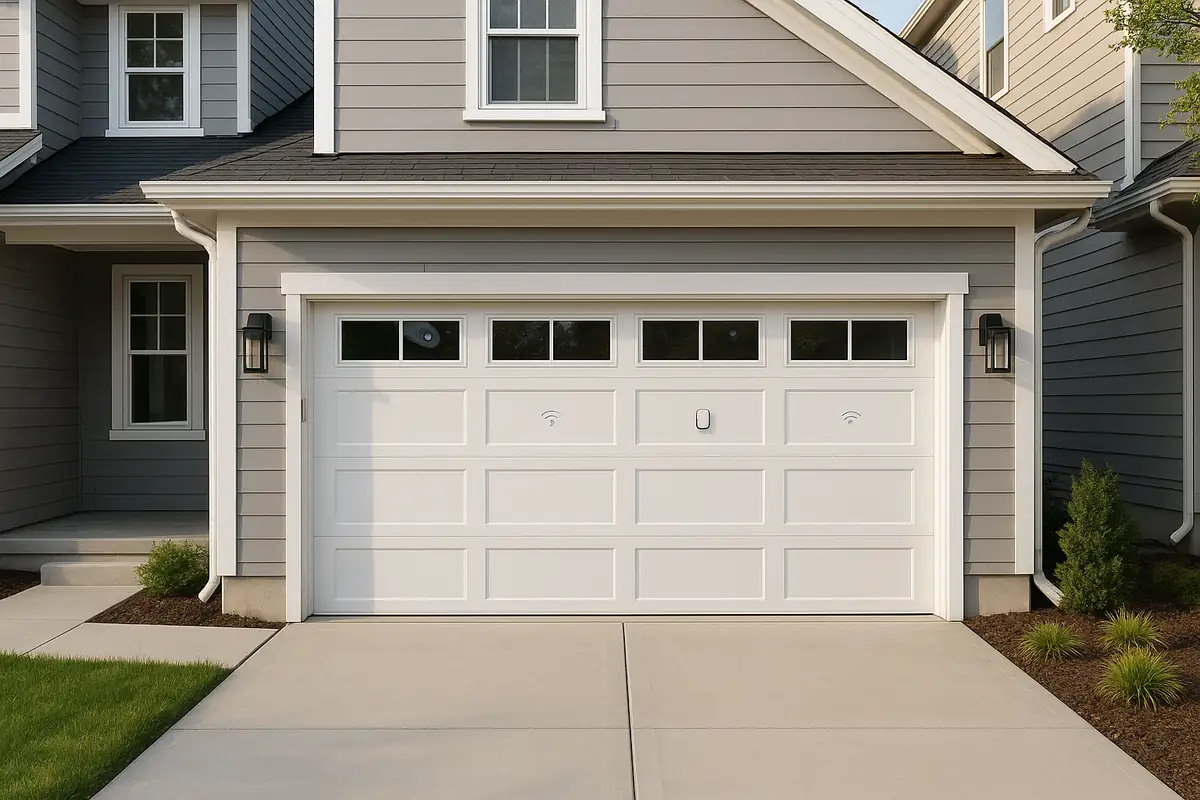
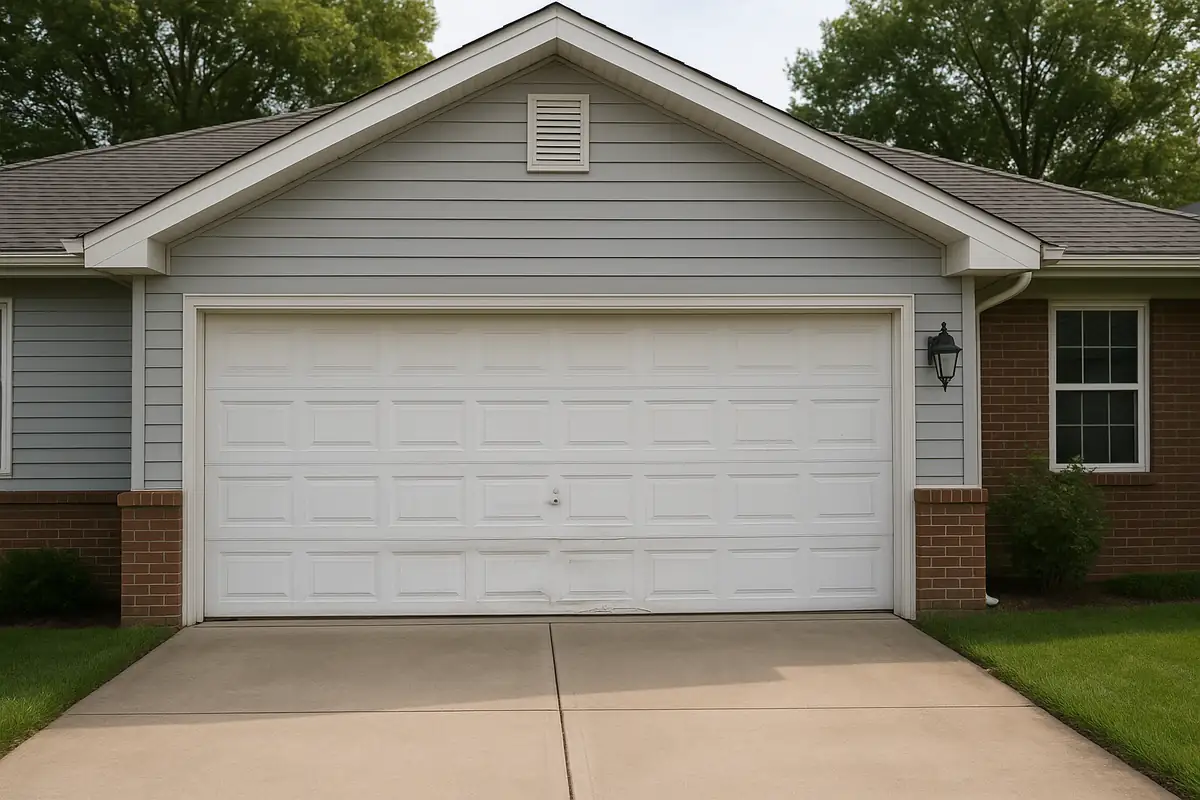
Unlocking Energy Efficiency: The Key Role of Your Garage Door
Your garage door is more than just an entryway; it plays a crucial role in your home’s energy efficiency. In Wallingford, CT, where the climate can vary, having an energy-efficient garage door is essential to maintaining comfortable indoor temperatures and saving on energy bills.
In this article, we will explore why energy efficiency matters, how your garage door affects your home’s energy consumption, and what you can do to enhance it. Let’s dive in!
Why Energy Efficiency Matters
Energy efficiency refers to using less energy to provide the same service. Here’s why it’s important:
- Cost Savings: Energy-efficient homes can significantly reduce utility bills.
- Environmental Impact: Using less energy decreases your carbon footprint.
- Comfort: Efficient insulation maintains a stable indoor temperature, enhancing comfort.
How Your Garage Door Affects Energy Consumption
Your garage door can represent a significant portion of your home’s exterior. Here’s how it impacts energy consumption:
Insulation Value
The insulation value of your garage door is measured by its R-value. A higher R-value indicates better insulation and energy efficiency. Many standard garage doors have low insulation, allowing heat to escape in the winter and enter in the summer.
Sealing and Weatherstripping
Gaps around your garage door can lead to energy loss. Weatherstripping and proper sealing can prevent drafts and reduce heating and cooling costs. Consider these statistics:
- According to the U.S. Department of Energy, up to 25% of a home’s energy loss can occur through its garage.
- Sealing air leaks can save homeowners 15% on their energy bills annually.
Choosing an Energy-Efficient Garage Door
When selecting a garage door, consider the following:
Materials Matter
The material of your garage door can significantly impact its energy efficiency:
- Steel: Durable and often insulated for better energy efficiency.
- Wood: Offers natural insulation but requires maintenance.
- Fiberglass: Lightweight and resistant to dents and rust.
Insulation Options
Look for garage doors with built-in insulation or options for adding insulation later. Insulated doors can help reduce energy costs and keep the garage temperature more stable.
Practical Tips for Enhancing Garage Door Efficiency
Improving the energy efficiency of your garage door doesn’t have to be complicated. Here are some practical tips:
- Regular Maintenance: Schedule regular inspections with professionals like Loyal Garage Door Repair to identify issues.
- Check for Gaps: Inspect your garage door for gaps and apply weatherstripping as needed.
- Upgrade Your Door: If your door is old and inefficient, consider replacing it with an energy-efficient model.
- Insulation Kits: Use insulation kits if your garage door isn’t insulated.
- Smart Technology: Consider smart garage door openers that optimize energy use.
When to Call for Professional Help
If you notice any of the following issues, it’s time to call Loyal Garage Door Repair:
- Your garage door is difficult to open or close.
- You notice drafts or temperature fluctuations.
- There are visible gaps or damages in seals and insulation.
- Your garage door is older than 15 years.
Conclusion: Take Charge of Your Garage Door’s Energy Efficiency
An energy-efficient garage door is key to reducing your energy bills and enhancing your home’s comfort. If you’re in Wallingford, CT, and need assistance with garage door repair or installation, look no further than Loyal Garage Door Repair. Our experts can help you choose the right door and ensure it’s functioning optimally.
Don’t wait until your garage door becomes a significant energy drain. Contact us today for a consultation and start saving on energy costs!
Explore More Resources
Related Articles
Service Areas
We proudly serve Wallingford, Yalesville, South Meriden, Northford, North Haven and more areas.
Our Services
Professional garage door repair, spring repair, opener installation and more. View all services →